
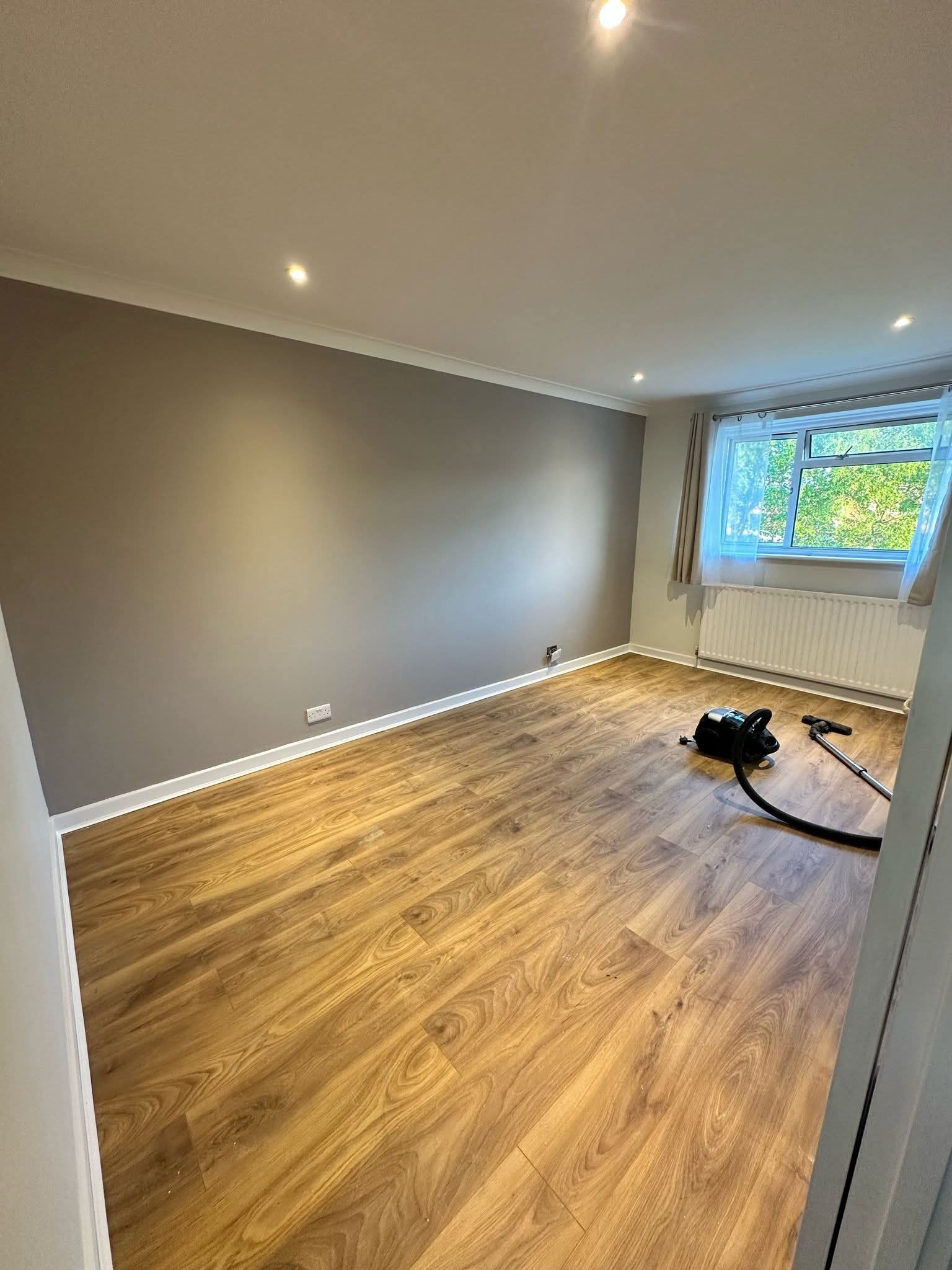
A successful decorating project begins with how a home feels to live in. Perhaps a sitting room looks tired, a hallway feels cramped, or an inherited colour scheme does not suit your furniture. For homeowners considering home decoration in South London, the most useful improvements are often a combination of better surface preparation, a coherent palette and a few carefully chosen details.
There is no single style that suits every London home. A converted flat, a family terrace and a newer apartment have different light, proportions and practical demands. This guide helps you decide where to spend, what to keep and how to turn an appealing idea into a manageable decorating brief.
Start with a room plan, not a paint tin
Choose one room and write down three things that bother you. Be specific: “the walls look yellow after dark” is more useful than “the room needs modernising”. Then identify what already works. A good floor, a well-proportioned fireplace or a favourite sofa can become the starting point for the new scheme.
Look at the room at different times of day. Check where sunlight falls, where furniture interrupts movement and which surfaces attract scuffs. Take photographs from the doorway and from the place you normally sit. They often reveal visual clutter that is easy to overlook when you are in the room.
Choose colours in your own light
Warm off-whites, muted greens and soft earth colours can provide a flexible background, but the right choice depends on the room. A pale shade that looks balanced in a shop may look cool beside a north-facing window or pink next to warm timber flooring. Use samples on more than one wall and check them in daylight and under your evening lighting.
Build the palette around materials you are keeping: flooring, curtains, cabinetry and upholstery. Select a main wall colour, a woodwork colour and an optional accent. Repeating one accent in cushions or a picture frame is usually enough to connect the scheme without buying a complete set of matching accessories.
Match the finish to the surface
Colour and finish are separate decisions. Matt paint offers a low-sheen appearance and can make minor surface imperfections less noticeable; glossier finishes reflect more light and can draw attention to unevenness. Eggshell and satin options offer different degrees of sheen, but check whether the specific product is intended for walls, woodwork or metal.
For a busy hallway, look at the paint’s stated cleaning and durability properties rather than relying on its finish name. In kitchens and bathrooms, choose a coating suitable for the room and substrate. Dulux’s guide to paint finishes explains the basic differences; the product instructions should guide the final choice.
Make a feature wall earn its place
Wallpaper can introduce pattern where a room needs character, particularly behind a bed or around a natural focal point. Before choosing a design, consider where the pattern will be interrupted by doors, sockets, shelves or furniture. A beautiful motif can lose its impact if most of it disappears behind a tall wardrobe.
Try a generous sample against the colours and fabrics already in the room. A quiet texture may suit a space with patterned upholstery, while a stronger botanical design can work with simpler furnishings. Our guide to wallpapering in Putney explores preparation, pattern repeats and planning a professional finish.
Decorate a smaller London property with continuity
Small rooms do not have to be white, and dark colours are not automatically unsuitable. What matters is whether the scheme feels intentional. Using related colours across adjoining rooms can reduce abrupt visual changes. Painting a door and its surrounding woodwork in a closely related shade can also make a narrow area feel less fragmented.
Keep circulation clear before adding decorative furniture. A slim wall shelf may work better than a deep console in an entrance hall. Consider curtains that do not block valuable daylight when open, and place mirrors where they reflect a useful view rather than a cluttered corner. Make these choices before deciding how much wall space is available for art.
Refresh period properties without erasing their character
If your home has cornices, ceiling roses or original joinery, decide which details you want to highlight. Careful preparation and a restrained palette can make those features feel part of a modern interior. You do not need to reproduce a historical scheme to respect the building’s proportions.
Inspect older surfaces before committing to a purely cosmetic refresh. A persistent stain or recurring crack needs an explanation, not simply another coat of paint. Where original materials or decorative plasterwork need attention, discuss a suitable repair approach before replacing them. The Richmond plastering guide explains why the condition beneath the finish matters.
Spend on the parts you notice every day
A practical budget starts with preparation, materials and labour, then adds the decorative extras. Keep serviceable flooring and furniture if they support the new scheme. Refreshing the walls, woodwork and a tired feature wall may make a bigger difference than replacing several items that already work.
- Agree which surfaces are included: walls, ceilings, doors, skirting and frames.
- List repairs separately from decorative work so they are not overlooked.
- Choose samples before ordering the full quantity of paint or wallpaper.
- Allow for protection, access and clearing the room.
- Keep a record of colour names and product details for later touch-ups.
Working room by room can make spending easier to control. Start with a space you use frequently, then carry successful colours or details into the next room. Avoid buying accessories early to compensate for decisions that have not yet been made.
When professional decorators can help
Professional help is particularly useful when preparation is extensive, ceilings are difficult to reach, several finishes need coordinating or you want a patterned wallpaper installed carefully. Discuss the order of work, how furniture will be protected and what happens if stripping reveals damaged plaster.
For residential decorating services in South London, a clear brief is more useful than a long list of trends. Include your postcode, room dimensions, photographs, chosen finishes and preferred timing. Ask for a written scope that distinguishes preparation, materials and finishing, so quotations can be compared fairly.
Plan your next step with Haya UK
Haya UK provides plastering and painting, wallpapering and minor repairs, and residential renovation services. If you are planning home decorating in South London, tell us what you want to change and what you want to keep. A practical conversation about your space, budget and priorities is the best place to begin.
Planning a home decorating project in South London?
Tell us about your property, the work you have in mind and your priorities. Haya UK offers quality, cost-effective property solutions across London.
Request a quote