
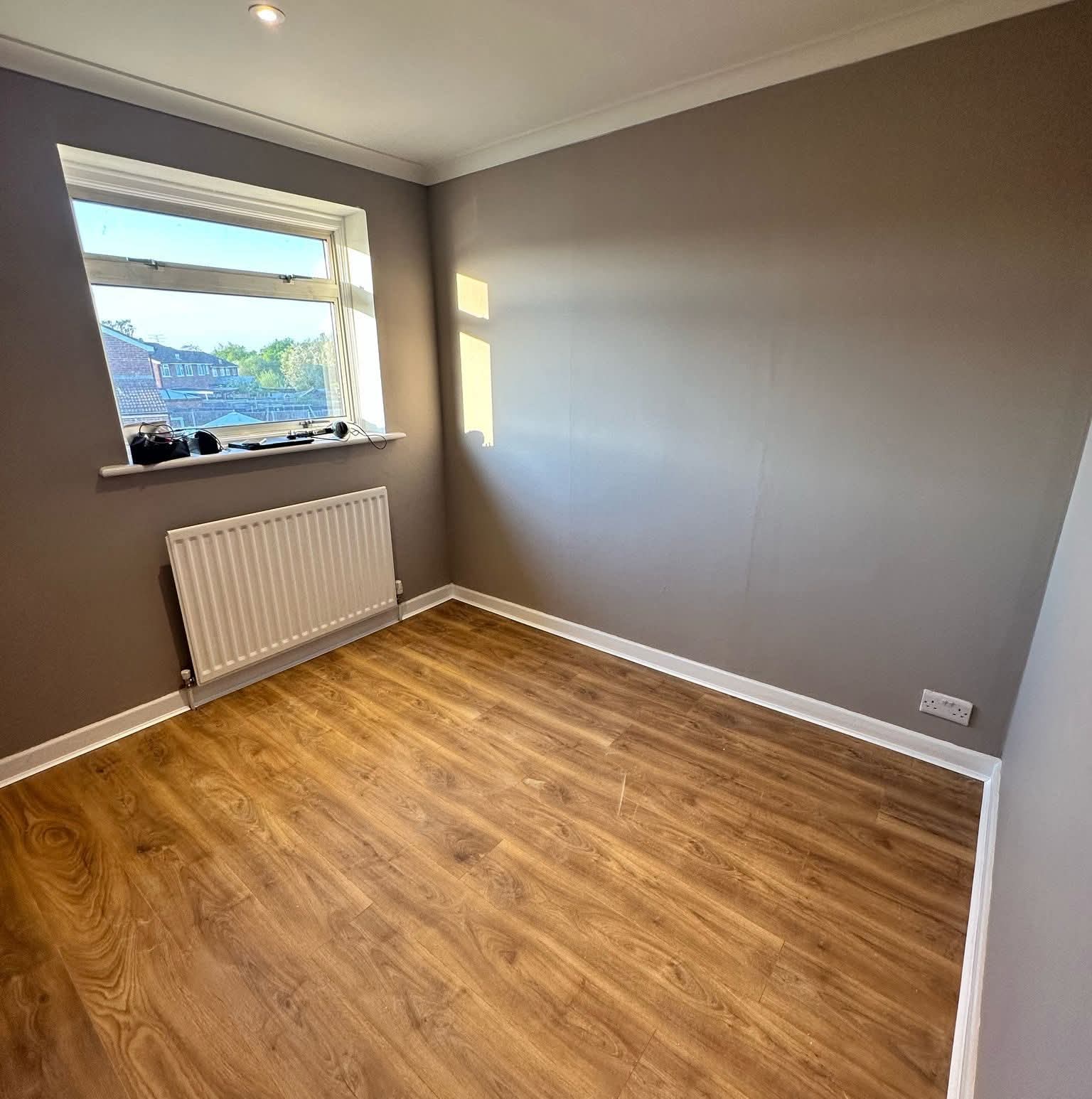
A smooth wall can make a room feel finished before any furniture is added. Uneven patches, poorly repaired cracks and rough ceiling edges can remain noticeable after decorating, especially when daylight falls across them. If you are researching plastering in Richmond, London, start by understanding the condition of the surface rather than choosing the final paint colour first.
Plastering is both preparation for decoration and a part of the building’s finish. The appropriate work may be a small repair, a new skim or a more extensive replacement. This guide explains the questions to ask, what affects a quotation and how to plan the handover from plastering to painting or wallpapering.
Plastering and skimming: what is the difference?
“Plastering” is a broad term. It can include building up a suitable base, finishing plasterboard, repairing damaged areas or applying a final surface coat. “Skimming” usually means applying a thin finishing layer over a suitable existing background to create a smoother surface for decoration.
The important word is suitable. A thin coat is not a way to make loose, damp or unstable material sound. Before requesting wall skimming in Richmond, explain whether the wall is painted, papered, recently boarded or partly stripped. The proposed preparation should reflect that background. British Gypsum’s skim-coat product guidance illustrates how a finishing plaster is intended for specific backgrounds, rather than every wall indiscriminately.
Why preparation matters as much as the final coat
Good preparation begins with identifying what is there already. Loose material, contamination and unsuitable coatings can interfere with the new finish. The contractor should explain which areas can be retained, what needs removal and how the remaining surface will be prepared.
This is also the stage to discuss edges and junctions. A wall may look smooth in the centre but unfinished around a door frame, socket or skirting board. Confirm whether the work includes those details and how existing fittings will be protected. Agree how any necessary changes to fittings will be coordinated before the plastering begins.
Decide whether repair or a wider refresh is needed
A localised damaged patch does not automatically require an entire room to be replastered. Conversely, filling isolated marks may not be sensible if a large area is poorly bonded or the old finish is repeatedly failing. Ask for an explanation of the proposed extent of work and the expected join between repaired and retained areas.
For ceiling plastering in Richmond, include photographs taken from several angles and mention any visible sagging, staining or previous repair. Photograph the room in daylight as well as under its normal lights. A photograph can support an initial discussion, but it does not establish the condition of concealed materials or replace an on-site assessment.
Do not treat recurring damage as only a decorating issue
A stain that returns after painting or a crack that repeatedly opens deserves investigation before a cosmetic repair. Record when it appeared and whether it changes with weather or time. If movement or water ingress is suspected, get the cause assessed by the appropriate professional. The plastering plan can then follow the findings.
For a straightforward accidental knock, the brief may be much simpler. Describe the damage, its approximate size and the finish you eventually want. The objective is an appropriate repair, not the largest possible scope of work.
Consider existing materials in an older home
Richmond homeowners may be renovating an older property, a converted flat or a newer home. Those settings should not be treated as interchangeable. Ask what the wall or ceiling is made from and whether original finishes are present. Older decorative features deserve a considered approach before they are removed or covered.
Traditional construction can rely on compatible materials and the way moisture moves through them. Historic England’s guidance on traditional building construction explains why those characteristics matter. Where traditional lime plaster or important original details are involved, seek advice appropriate to the building rather than assuming a standard modern skim is always the right choice.
Plan the transition to painting or wallpapering
Finish quality matters most when the plastered surface becomes the background for the next stage. Tell the plasterer whether you intend to use matt paint, a more reflective coating or wallpaper. Discuss the expected finish and any final preparation required by the decorator.
Allow drying to be assessed for the actual product and conditions. Setting and drying are different stages; a surface that feels firm is not necessarily ready for decoration. British Gypsum’s finishing plaster data sheet says its plaster should be thoroughly dry before decorating and that paint and adhesive manufacturers’ recommendations should be followed.
Do not plan the entire job around a fixed drying time copied from an unrelated project. Ask how readiness will be checked and which primer or initial coating is appropriate for your chosen finish. If wallpaper is next, our Putney wallpapering guide explains the additional preparation and pattern-planning decisions.
What affects plastering costs?
The size of a room is only one part of the quotation. Preparation, access and the condition of the existing background can change the amount of work substantially. A ceiling, an awkward stairwell and a clear rectangular wall may need different arrangements even where their surface areas are similar.
- Scope: a patch repair, a skim or more extensive replacement.
- Background: stripping, removing unsound material and preparing retained areas.
- Access: room height, stairways, parking and carrying materials.
- Details: corners, reveals and the treatment around existing fittings.
- Protection and clearance: furniture, floors and removal of debris.
- Next stage: whether decoration is separate or included in the quotation.
Ask for a written description of what is included and how unexpected findings will be discussed. Compare like-for-like scopes rather than assuming the lowest total covers the same work. No general price guide can establish the cost of your particular wall without knowing its condition.
Choose a contractor through a clear conversation
When comparing plastering services in Richmond, look for relevant examples and a clear explanation of the preparation. Ask who will carry out the work, what access is needed and how the area will be left afterwards. Any claimed qualifications, insurance or guarantees should be checked directly rather than inferred from a photograph.
Agree the sequence, the finish you expect and who is responsible for decoration after drying. A useful enquiry includes the postcode, approximate dimensions, photographs and any known history of damage. It also states whether the room will be occupied during the project.
Talk to Haya UK about the next step
Haya UK lists plastering and painting alongside residential renovation projects. If you need plaster repair in Richmond or are planning a wider room refresh, share the condition of the surfaces and your intended finish. You can also read our South London decorating guide to plan the colours and details once the groundwork is addressed.
Planning plastering or renovation work in Richmond?
Tell us about your property, the work you have in mind and your priorities. Haya UK offers quality, cost-effective property solutions across London.
Request a quote