
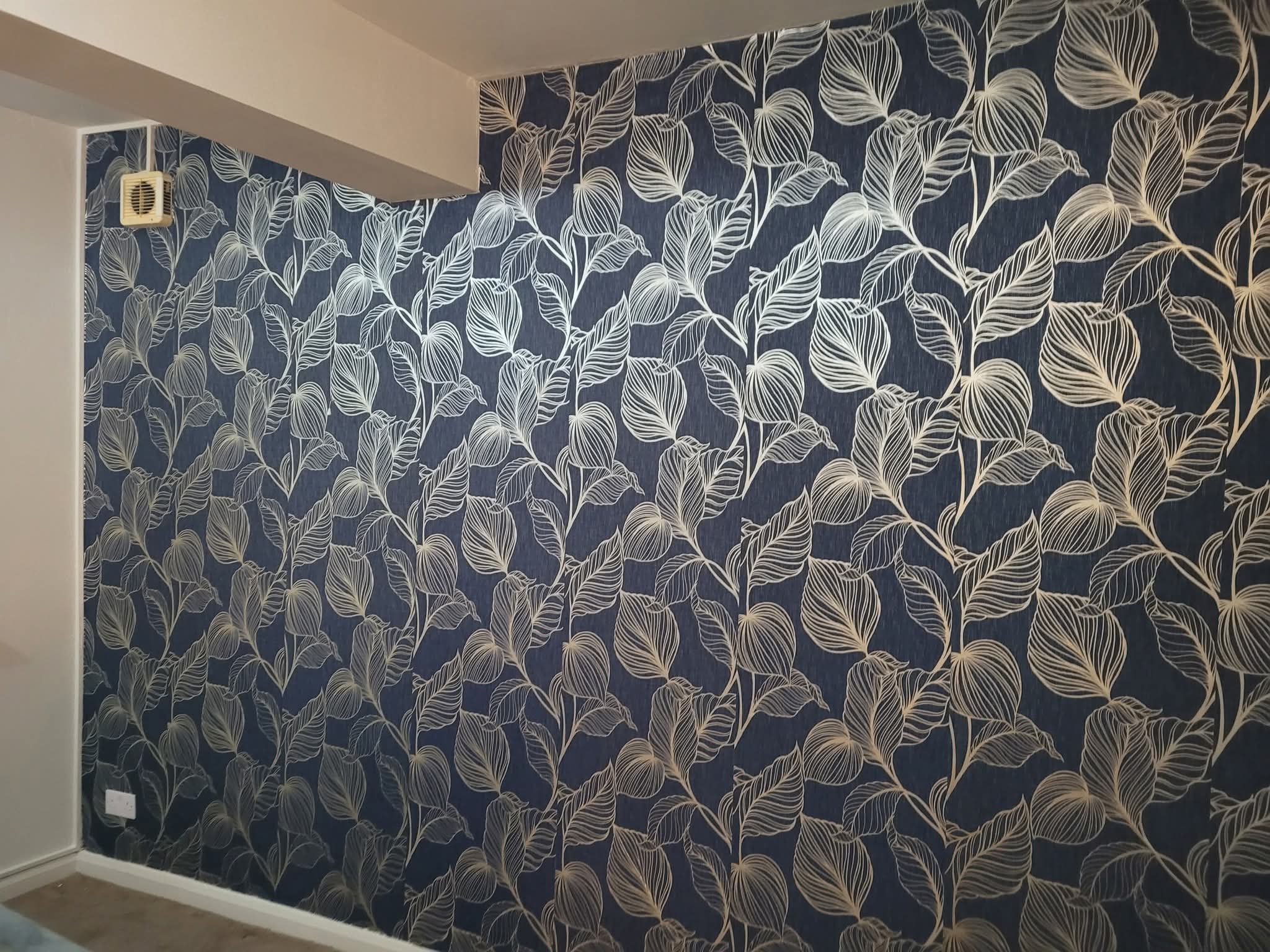
Wallpaper can change the character of a room without changing its layout. A botanical design can turn a plain bedroom wall into a focal point; a quiet texture can add interest where strong colour would feel excessive. For homeowners planning wallpapering in Putney, choosing the paper is only the beginning. Wall condition, pattern planning and careful installation determine how convincing the finished room looks.
Whether you are decorating a period home or a modern flat, the best choice is one that works with the room’s proportions, furniture and everyday use. This guide helps you compare options and prepare a useful brief before purchasing rolls or arranging wallpaper installation.
Decide what the wallpaper should do
Start with the atmosphere you want. Is the room meant to feel restful, welcoming or lively? Then consider how much pattern is already present in curtains, upholstery, rugs and artwork. A textured paper can support those details; a prominent print may become the main visual feature.
Take a sample into the room and view it beside the furniture you are keeping. Check it in daylight and under the lighting you use in the evening. Small online images can conceal scale and surface texture, so judge the sample against a real section of wall rather than choosing only from a product thumbnail.
Choose paper for the room’s practical demands
In a bedroom, look at what you see from the doorway and from the bed. A busy pattern behind the headboard may work differently from the same pattern on every wall. In a hallway, think about narrow sightlines, frequent contact and how easily the product can be cleaned.
Check the manufacturer’s care and installation instructions for the specific paper. Washability, application method and surface requirements vary. For kitchens or bathrooms, do not assume an attractive wallcovering will tolerate moisture or splashes; confirm its suitability for the intended position before ordering.
Feature wall or whole room?
A feature wall can be a useful way to introduce a stronger design while keeping the rest of the scheme quiet. Select a wall with a reason to be the focal point, such as the one behind a bed or a seating arrangement. Check how windows, doors and large furniture will interrupt the pattern.
A whole-room scheme can also work, particularly where a subtle texture creates continuity. Try sketching the wallpapered areas on a photograph. That simple exercise can show whether a single patterned wall would feel balanced or whether the design needs to continue around a return.
Prepare the wall before hanging begins
Wallpaper needs a suitable background. The surface should be assessed for loose coatings, damage, contamination and moisture before installation. Remove or repair unsuitable material rather than expecting the new paper to disguise every problem. Lining paper may be part of the preparation, but it is not a substitute for dealing with unstable plaster.
Graham & Brown’s wallpaper preparation guidance covers filling, cleaning and treating new plaster for its products. Follow the instructions for the paper, adhesive and background you actually have. If new plaster is needed, allow it to dry appropriately before wallpapering; our guide to plastering and decoration explains the importance of planning that handover.
Agree who will remove the old paper and what happens if stripping reveals additional repairs. If you are ordering wallpaper before the room has been assessed, ask the installer to confirm the quantity and suitability first.
Understand pattern matches before buying rolls
Pattern matching affects both installation and material requirements. A free-match design does not require the same alignment across each join as a patterned straight or offset match. A straight match lines up at the same level; an offset match aligns after a specified shift between neighbouring lengths.
The repeat and match information on the product label help determine how the paper will be set out. Graham & Brown’s measuring guide explains these distinctions. Do not estimate the roll quantity from wall area alone: the design, usable lengths and trimming allowances also matter.
Check that rolls intended for the same room have matching batch numbers where the manufacturer uses them. Different batches can have visible differences. Keep labels and any usable surplus after installation; they can help identify the product if a later repair becomes necessary.
Plan the pattern around the room
The starting position can change the appearance of a feature wall. A prominent motif may need to be considered in relation to a bed, fireplace or central piece of furniture. Measure the wall and identify where narrow pieces might otherwise finish at an edge.
Do not assume a ceiling line, door frame or corner is perfectly straight. A suitable vertical guide helps establish the starting length, and the layout needs to account for the actual room. The aim is a deliberate composition that reads well from the places where you normally see it, not just a pattern that fits somewhere on the wall.
Why seams and edges need careful attention
Visible joins can result from several issues, including unsuitable preparation, a wrong adhesive method, inaccurate positioning or handling that stretches the paper. The solution depends on the product and cause. A careful installer follows the stated application method rather than treating paste-the-wall and paste-the-paper products as interchangeable.
Ask how seams, internal corners and edges around fittings will be handled. Check the finished work in ordinary daylight before the furniture goes back. Graham & Brown’s wallpaper FAQs discuss matching, batch consistency and common installation questions. Product-specific instructions remain important, particularly for specialist or textured coverings.
Consider the character of your Putney home
In a period room, wallpaper can work with existing joinery and architectural details without imitating every historical feature. Consider the scale of the design alongside ceiling height, alcoves and the size of a fireplace. Avoid covering important original details simply to achieve a tidier rectangle.
In a modern flat, an uncomplicated feature wall can help define a living or sleeping area. Keep the furniture layout in mind, especially where one room serves several purposes. If you are coordinating colours across the property, the South London home decoration guide offers a practical starting point.
When professional wallpaper hanging can help
Professional installation is worth discussing when the pattern is complex, the walls need repair or the layout includes awkward returns and prominent focal points. A clear quotation should distinguish preparation from hanging and identify who supplies the paper and adhesive.
For wallpaper hanging in Putney, send room photographs, approximate dimensions and the product name or sample link. Explain whether you want one feature wall or the whole room covered. Ask the installer to confirm the quantity before you order, and agree how any unexpected surface problems will be handled.
Plan your wallpapering project with Haya UK
Haya UK offers wallpapering and minor repairs and plastering and painting. Share your Putney postcode, the room you want to refresh and any designs you are considering. We can start with the surface, your chosen look and the practical scope, so the project brief covers more than simply putting paper on a wall.
Planning wallpapering or decorating in Putney?
Tell us about your property, the work you have in mind and your priorities. Haya UK offers quality, cost-effective property solutions across London.
Request a quote